In today’s competitive gaming industry, understanding player behavior has become essential for both developers and marketers. By leveraging game analytics, developers can not only improve game mechanics and user experience but also enhance marketing strategies. Game analytics involves the collection and analysis of data on how players interact with games, providing insights that help create more engaging content and better-targeted marketing efforts.
The Importance of Game Analytics
Player behavior data offers invaluable insights into how players are experiencing a game. By analyzing patterns such as how long players play, where they drop off, which features they use the most, and how often they make in-game purchases, developers and marketers can gain a deeper understanding of player preferences. This information can guide decisions on everything from game updates to advertising campaigns.
For marketers, this data provides an opportunity to create personalized and effective campaigns. For instance, understanding when players are most active can help marketers time their ads or in-game promotions for maximum impact. It also enables the tailoring of ads to specific player segments, increasing the likelihood of conversion. By knowing which in-game items or features are most popular, developers can push targeted promotions that resonate with players.
Key Metrics in Game Analytics
To make the most out of game analytics, it is essential to track and understand various key performance indicators (KPIs) that are vital to game success:
- Player Retention Rates: Monitoring how many players return to the game after their first session is crucial. A high retention rate indicates that the game is engaging enough to keep players coming back, while a low retention rate may highlight issues with gameplay or user experience.
- Engagement Metrics: This includes the amount of time players spend in-game, the frequency of their visits, and how much they interact with different game features. Analyzing engagement helps determine which parts of the game are most compelling and which might need improvement.
- In-Game Purchases: Tracking spending behavior allows marketers to understand what motivates players to buy in-game items. Whether it’s cosmetic items, power-ups, or skins, analyzing purchasing habits can help developers design more attractive offers and monetize the game more effectively.
- Heatmaps and Pathways: Heatmaps show where players spend the most time in the game world, while pathway analysis tracks their movement and decisions. These tools can reveal which areas are confusing, too easy, or overly complex, and help optimize the game design.
- Player Demographics: Understanding the age, location, and preferences of players helps marketers create campaigns that cater to specific groups. This data is also crucial for segmentation and personalization, ensuring that marketing messages are more relevant and engaging.
Using Game Analytics for Marketing
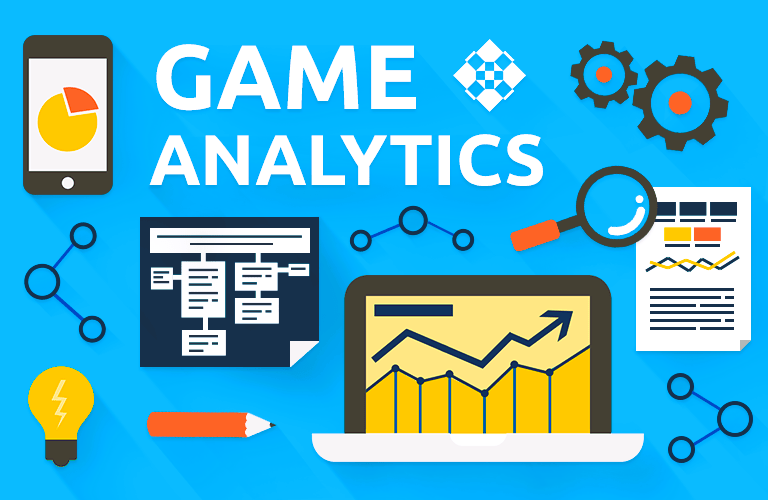
Once player behavior is analyzed, marketers can use the data to drive more effective campaigns. Here are a few ways to apply analytics to game marketing:
- Targeted Ads: By knowing the player’s preferences, spending habits, and in-game behavior, marketers can serve more relevant ads. For example, players who frequently purchase skins might be shown ads for new cosmetic items, while those who rarely make purchases could be targeted with special offers to encourage spending. Did you like the article? Read also about Gaming Blogs.
- Personalized Offers: Analytics can help marketers create personalized promotions and in-game rewards based on player behavior. Players who regularly complete challenges might be offered discounts or exclusive items as rewards, fostering loyalty and increasing engagement.
- Event and Content Customization: Game analytics also provides insights into player activity during special events, such as seasonal events or in-game celebrations. Marketers can tailor content and events to match players’ interests and peak engagement times, enhancing the overall experience.
- Optimizing User Acquisition: By analyzing how players find and interact with the game (whether through social media, referrals, or advertisements), marketers can fine-tune their user acquisition strategies. This ensures that their efforts are directed towards the most effective channels for attracting new players.
In summary, game analytics plays a critical role in understanding player behavior and driving effective marketing strategies. By leveraging data, developers and marketers can create more engaging games, deliver targeted campaigns, and improve overall player retention. As the gaming industry continues to grow, using analytics to understand and anticipate player behavior will become even more essential for maintaining a competitive edge.
For more on game analytics and its impact on gaming, you can explore the Wikipedia page on Game Analytics.