In the highly competitive gaming industry, achieving high search engine rankings is essential for attracting new players and retaining existing ones. However, many game developers and marketers overlook SEO technical aspects, which can significantly impact their visibility. Technical SEO is crucial in ensuring that search engines can crawl, index, and understand your game’s website, as well as optimizing it for the best possible user experience. In this article, we’ll explore common SEO technical mistakes in the gaming industry and provide tips on how to avoid them to boost your game’s online visibility.
Common SEO Technical Mistakes for Games
1. Poor Mobile Optimization
In today’s gaming world, mobile devices account for a significant portion of gaming traffic. However, many gaming websites fail to offer a seamless mobile experience, which can hurt their rankings on search engines like Google. If your site isn’t mobile-friendly, search engines may penalize it in rankings, and players may leave due to poor navigation and slow loading times.
How to Avoid It: Ensure that your game’s website is fully optimized for mobile devices. Use responsive web design, which automatically adjusts to different screen sizes, ensuring a smooth browsing experience for players across all devices. Google also considers mobile-first indexing, meaning the mobile version of your site is prioritized when ranking.
2. Slow Page Load Speed
Page load speed is one of the key ranking factors for SEO. A slow website can drive users away, especially in the gaming industry, where players expect fast and smooth interactions. If your website takes too long to load, you risk losing potential players and suffering from high bounce rates, which negatively affect your rankings.
How to Avoid It: Optimize your website’s page load speed by reducing image sizes, utilizing browser caching, and enabling compression for files. You can also use Content Delivery Networks (CDNs) to ensure faster loading times for global users. Regularly test your website’s speed using tools like Google PageSpeed Insights and implement the suggested optimizations.
3. Broken Links and 404 Errors
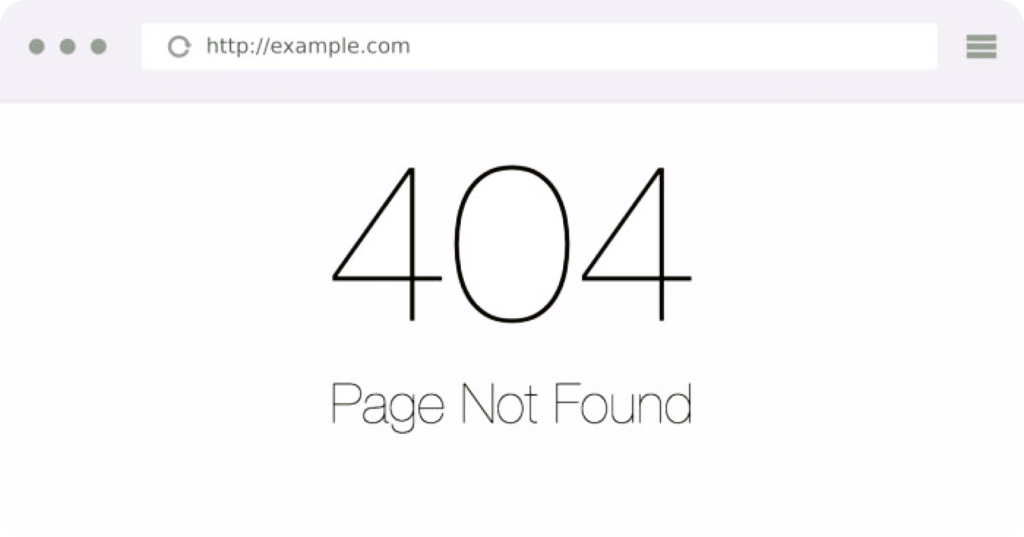
Broken links and 404 errors are frustrating for both users and search engines. If a player clicks on a link that leads to a non-existent page, it creates a poor user experience, which can negatively impact your site’s SEO rankings. Additionally, search engine bots may struggle to crawl your website efficiently if there are too many broken links.
How to Avoid It: Regularly monitor and fix broken links on your website. Use tools like Screaming Frog SEO Spider or Google Search Console to identify 404 errors and ensure all links are functional. Redirect any outdated URLs to relevant pages to prevent 404 errors from affecting your rankings.
4. Lack of Structured Data (Schema Markup)
Structured data, or schema markup, is a way of providing search engines with additional information about your content. Without it, search engines may have difficulty understanding the context of your web pages, which can hurt your rankings and visibility. In the gaming industry, schema markup can be used to highlight game releases, reviews, and in-game events. Did you like the article? Read also about SEO Technical Mistakes for Games.
How to Avoid It: Implement structured data using Schema.org markup. For games, this could include schema for game releases, ratings, reviews, and even FAQs. By helping search engines understand your game better, you increase the chances of appearing in rich snippets and other enhanced search results.
5. Duplicate Content Issues
Duplicate content can arise when similar or identical content appears on multiple pages of your website. Search engines may struggle to determine which page should be ranked, which can hurt your SEO performance. This issue is common on gaming websites where multiple pages may contain similar descriptions, blog posts, or product listings.
How to Avoid It: Use canonical tags to indicate the preferred version of a page. This tells search engines which page to index and rank, preventing them from penalizing your site for duplicate content. You should also ensure that each page on your website provides unique and valuable content that is relevant to your audience.
6. Ignoring Internal Linking

Internal linking is an important SEO strategy that helps distribute link equity across your website and provides a clear structure for search engines to follow. Many gaming websites neglect internal linking, which can hinder the crawling and indexing process, making it harder for search engines to understand the hierarchy of your site.
How to Avoid It: Develop a solid internal linking strategy by linking to relevant pages within your website, such as game pages, blog posts, and product listings. This will not only improve SEO but also enhance user navigation, guiding players to discover more content related to their interests.
Technical SEO is a crucial aspect of any gaming website’s success. Avoiding common SEO mistakes can significantly enhance your game’s visibility and ranking on search engines, driving more traffic and attracting new players. By focusing on mobile optimization, improving page load speeds, fixing broken links, and utilizing schema markup, you can ensure that your game’s website is both user- and search-engine-friendly.
For more detailed information on SEO and its best practices, you can refer to Wikipedia’s page on SEO.
By applying these SEO technical strategies, you can optimize your game’s website for both search engines and players, ensuring your game is seen by the right audience at the right time.